How we think about neighbourhood life
A neighbourhood works when small, ordinary things have been decided before anyone moves in: where the bins go, who mows the verge, where children can cross a lane safely. This page sets out how we plan those things. It describes our approach, not a finished community.
Decide the common ground first
Shared space is easiest to get right when it is drawn on the first plan, not squeezed in at the end. We start from the places people already cross, then place homes so that those routes stay pleasant: a lane wide enough for a pram and a delivery van, a bench where two paths meet, a patch of garden everyone can see from their window.
We do not promise events, clubs or facilities. A community is made by the people who live there. Our job is to leave them somewhere to meet if they want to.
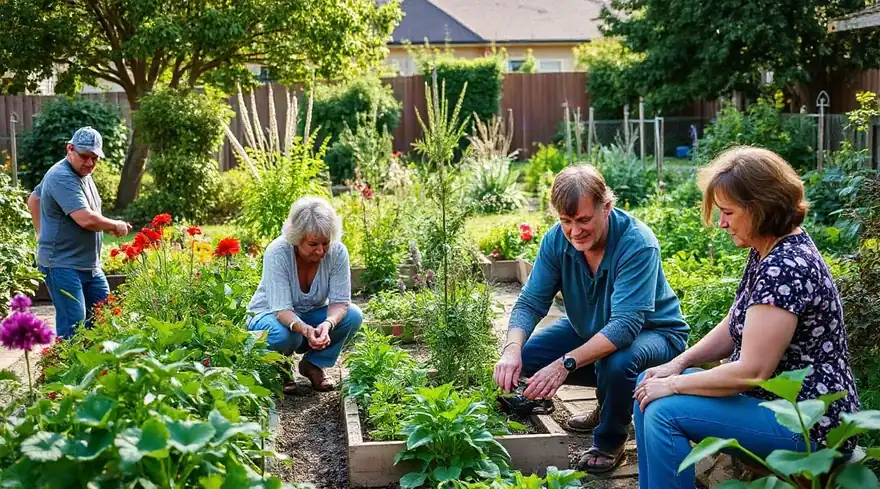
Six everyday details
Lanes and paths
Routes that keep walkers and cars apart where possible, with lighting on the stretches people use after dark.
Small gardens
A shared planting bed or two, sized so that a few neighbours can look after them without it becoming a chore.
Meeting points
A bench, a covered corner or an open patch of lawn at a natural crossing point, rather than a clubhouse nobody is sure how to use.
Parking and bicycles
Space for cars and for bicycles that does not push either onto the lane, with visitor spaces counted from the start.
Refuse and utilities
A collection point agreed with the municipality and placed where lorries can reach it without crossing play areas.
Light and quiet
Home positions that avoid looking straight into each other's windows, and planting that softens traffic noise.
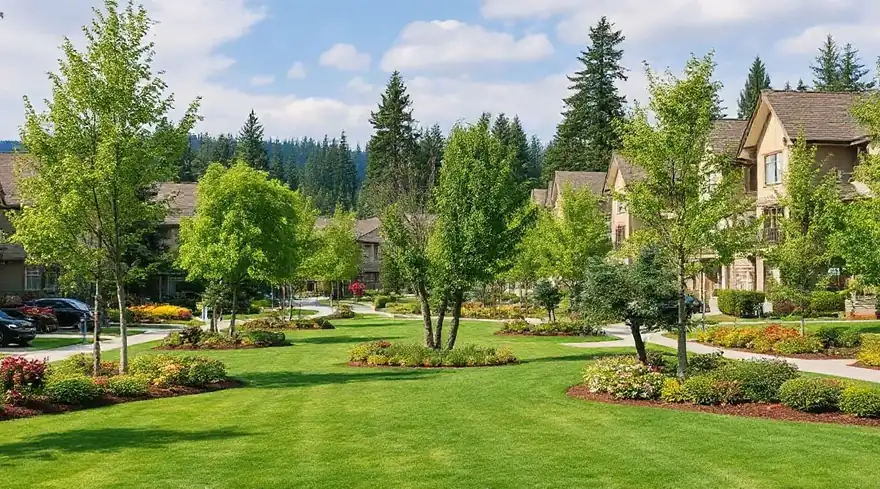
Who maintains the shared parts
Shared areas cost money to keep up. In Japan this is usually handled by a residents' association (自治会) or, for larger schemes, a management association (管理組合) with a monthly fee for repairs and upkeep. Before a purchase you should be told what the fee is, what it covers, who sets it, and how residents can vote on changes.
We think this belongs in the first conversation, not the last page of the contract. If you are comparing homes, put the same question to every seller.
What we mean by caring for the land
Where the layout allows, we keep healthy mature trees and plan drainage so that rain soaks into planted ground rather than running straight to a pipe. We prefer plants that suit the local climate, because they need less watering and tend to attract local insects and birds.
We do not claim a green building certification, carbon neutrality or any measured environmental result on this website. If a specific project reaches one, we will show the certificate or the assessor's report next to the claim.