Homes and plots, described honestly
Three kinds of residence appear in our planning: detached houses, townhouses and building plots. Below is how each is usually laid out and what to ask before you consider one. No unit is offered for sale or rent on this page, and no prices are shown.
About availability and prices
This page is a guide, not a listing. If a project is open to enquiries, we give the address, price including tax, floor area, completion date and the licence details of the company handling the sale in writing, before you decide anything. Sales, leasing and brokerage of homes and land in Japan are regulated by the Real Estate Brokerage Act (宅地建物取引業法). The licence number is not published on this site yet; see the commercial transactions notice.
Detached houses
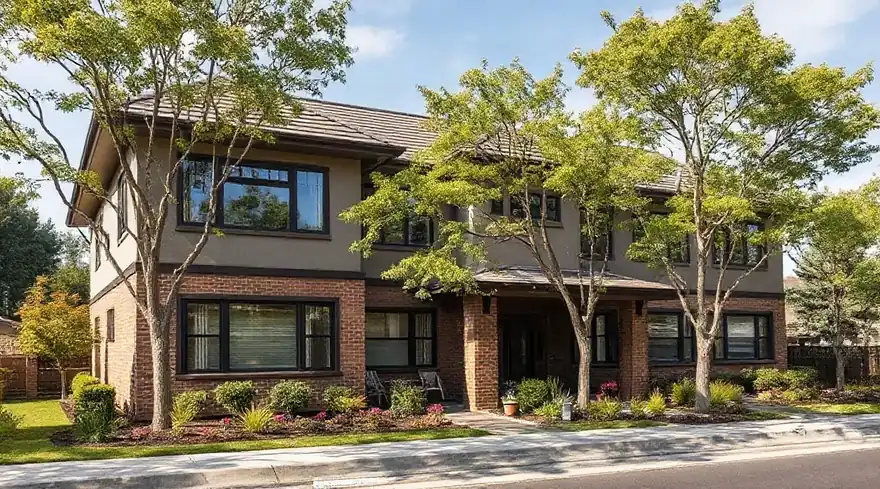
A detached house stands on its own plot, so you control the garden, the parking and the noise you make. In regional Japan these are normally two storeys with a living room facing south and a space for one or two cars.
What to look for
- The direction the main windows face and what stands to the south of them.
- The plot area and the building coverage and floor-area ratios (建ぺい率 and 容積率) that limit extensions.
- The seismic grade of the structure and the year the design standard applied.
Townhouses
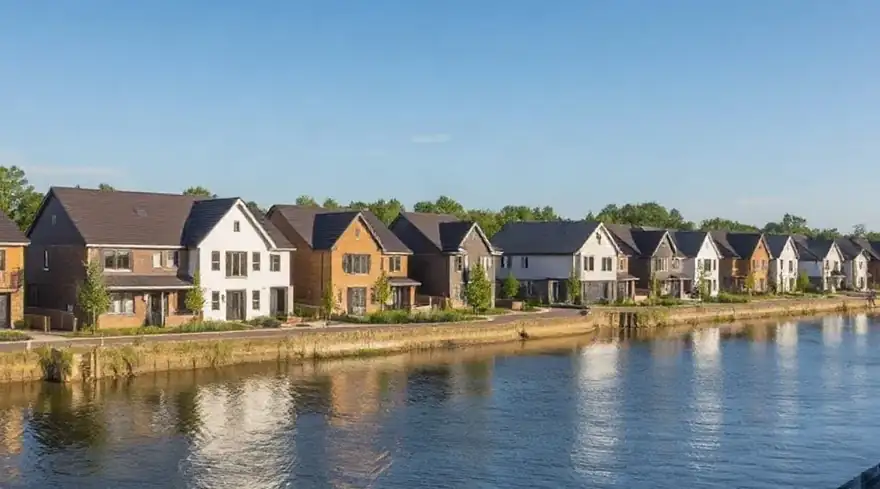
Townhouses are attached homes in a row. They give up some privacy and yard space in return for lower land cost per home and shared upkeep of the lane in front. They suit people who want a house rather than an apartment but not a large garden.
What to look for
- How sound is stopped between the shared walls.
- Who owns and maintains the access lane, the drains and the refuse point.
- Rules on exterior colour, planting and bicycle storage.
Building plots
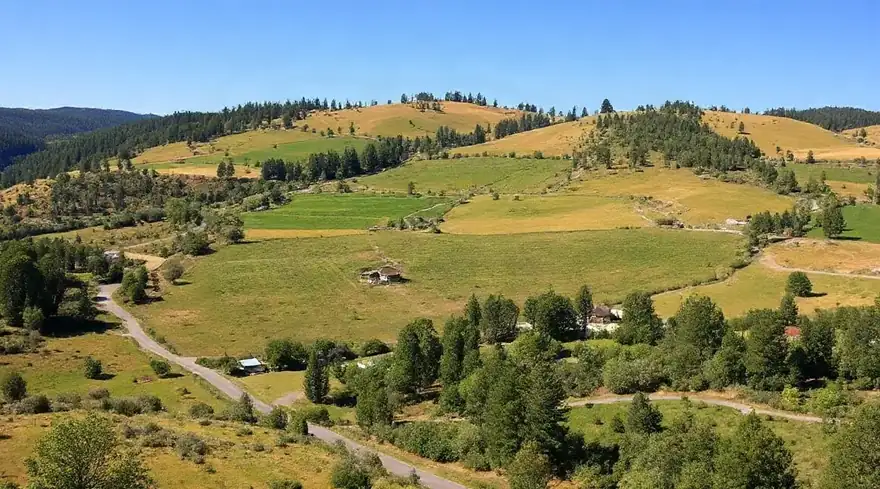
A plot is land for a house you commission yourself. It looks simple, but the plot decides what you may build: its zoning (用途地域), the width of the road it touches (接道義務), and whether water, sewer or a septic tank, gas and power are already at the boundary.
What to look for
- Whether the plot faces a public road of at least four metres.
- The municipal hazard map for flooding, landslides and tsunami.
- The cost of connecting utilities, which is often not included in the land price.
Eight questions to ask about any home
These apply to our homes and to anyone else's. Write them down and ask each seller the same things.
- Total price. What is the full cost including consumption tax, registration, agent's fee and any shared-facility fees?
- Land rights. Is the land owned outright (所有権) or leased (借地権)?
- Monthly costs. What are the management and repair-reserve fees for shared areas, and who decides when they rise?
- Zoning. What does the zoning allow next door, now and in the future?
- Hazards. What does the municipal hazard map say about this exact address?
- Structure. What seismic and insulation grades does the building have, and on what paperwork?
- Defects. How long does the seller answer for defects under the contract (契約不適合責任)?
- Who explains. Which licensed real estate transaction specialist (宅地建物取引士) will give the written explanation before signing?
Mortgage questions belong with banks, and tax questions with a licensed tax accountant. We do not give financial or tax advice, and we do not describe homes as investments.